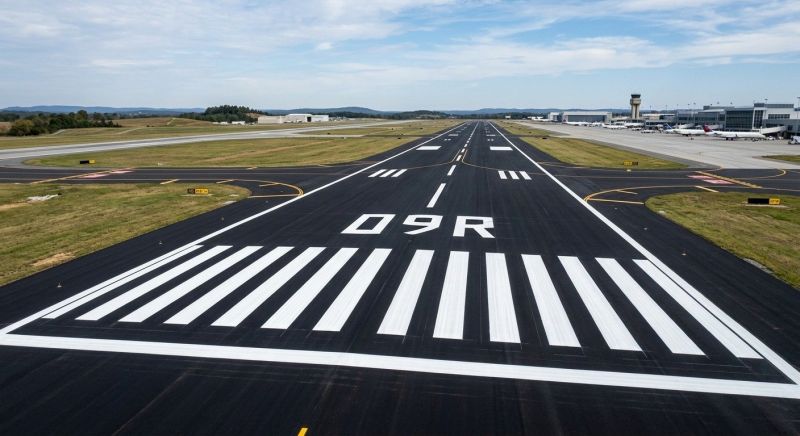
Airport Paving in Little Rock, AR
Airport paving services encompass the installation, repair, and maintenance of paved surfaces used for airport runways, taxiways, and aprons. These projects often involve large-scale asphalt or concrete work designed to meet strict safety and durability standards. Property owners requesting airport paving typically seek reliable surfaces that can withstand heavy aircraft traffic, extreme weather conditions, and frequent use, ensuring smooth operations and safety for all aircraft movements.
Before requesting airport paving services, property owners should consider the scope of the project, including the size and layout of the paved area, as well as any specific requirements related to aircraft weight and traffic volume. It is also helpful to understand the existing condition of the surface, potential site preparation needs, and any local regulations or permits that may apply. Clear communication about these details can help ensure the paving work aligns with safety standards and operational needs.
Many property owners in Little Rock, AR look into Airport Paving for repairs, replacements, upgrades, and appearance-related improvements.
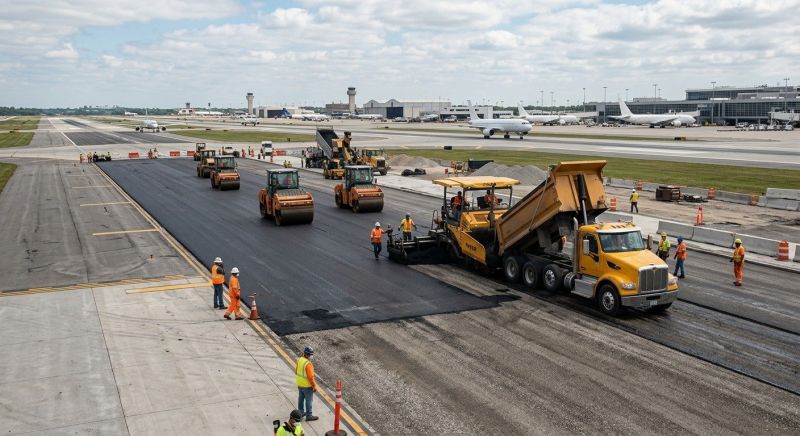
Airport Runway Maintenance
Ensuring smooth and durable surfaces for safe aircraft operations.
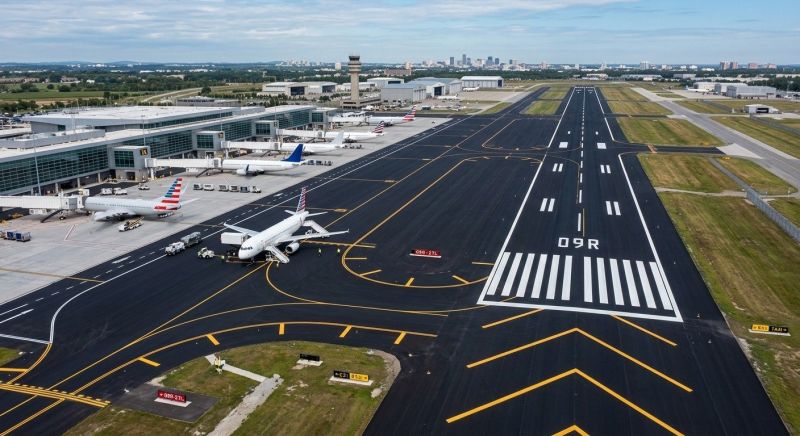
Parking Lot Resurfacing
Restoring parking areas to improve safety and appearance for commercial or residential properties.

Private Airport Access Roads
Constructing and repairing driveways and access roads for private aviation facilities.
Airport Paving in Little Rock, AR

Airport paving services encompass the installation, repair, and maintenance of paved surfaces used for airport runways, taxiways, and aprons. These projects often involve large-scale asphalt or concrete work designed to meet strict safety and durability standards. Property owners requesting airport paving typically seek reliable surfaces that can withstand heavy aircraft traffic, extreme weather conditions, and frequent use, ensuring smooth operations and safety for all aircraft movements.
Before requesting airport paving services, property owners should consider the scope of the project, including the size and layout of the paved area, as well as any specific requirements related to aircraft weight and traffic volume. It is also helpful to understand the existing condition of the surface, potential site preparation needs, and any local regulations or permits that may apply. Clear communication about these details can help ensure the paving work aligns with safety standards and operational needs.
Many property owners in Little Rock, AR look into Airport Paving for repairs, replacements, upgrades, and appearance-related improvements.
Common Airport Paving Jobs
Airport paving - involves installing durable asphalt surfaces for runways and taxiways.
Runway resurfacing - restores existing airport pavements to meet safety and performance standards.
Taxiway construction - creates smooth, reliable pathways for aircraft movement on the ground.
Parking apron paving - provides strong, long-lasting surfaces for aircraft parking areas.
Pavement maintenance - includes crack sealing and patching to extend pavement lifespan.
Airport apron repairs - addresses surface damage to ensure safety and operational efficiency.

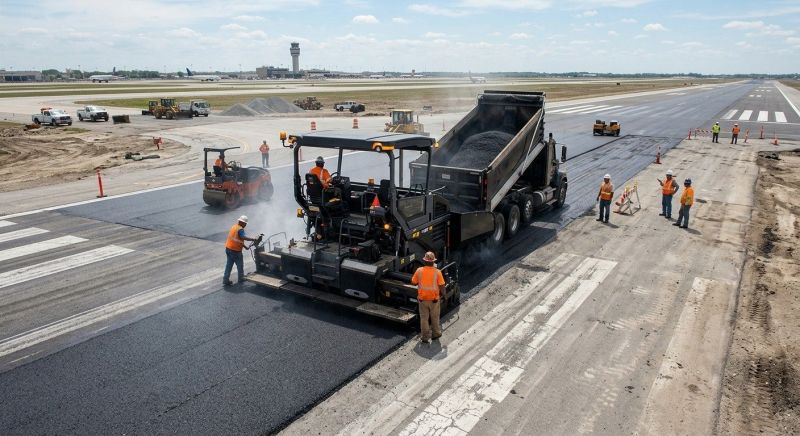
Airport Paving Questions
What types of paving projects are common for airports? Airport paving typically includes runways, taxiways, aprons, and parking areas to ensure smooth aircraft movement and safety.
How is airport paving different from regular paving? Airport paving requires specialized materials and techniques to handle heavy loads and high traffic volumes efficiently.
What should property owners consider before airport paving? It's important to assess the current surface condition, drainage needs, and future expansion plans for optimal results.
Can airport paving be integrated with existing surfaces? Yes, paving can often be seamlessly combined with existing surfaces to improve functionality and appearance.
Request Airport Paving in Little Rock, AR
Use the quote form on this page to share the basics of your project and request more information for the type of work you need.